
Order tracking rarely gets much attention when everything is running smoothly. Customers place orders, shipments move through the network, delivery notifications arrive on time, and support teams focus on more complicated issues. In those moments, tracking feels like a background process that simply works.
The problem is that e-commerce rarely stays that predictable. A shipment gets delayed. A carrier misses a scan. An order appears stuck in transit for several days. Customers start reaching out for updates, support teams begin digging through tracking links, and operations managers try to figure out whether the issue is isolated or part of a larger problem. That’s usually when retailers discover how much they rely on order tracking software.
Modern tracking platforms do far more than display shipment status. They help businesses monitor deliveries across multiple carriers, identify problems before customers complain, reduce support volume, communicate updates automatically, and create a smoother experience between checkout and delivery.
The category has expanded considerably over the last few years, and retailers now have a wide range of options depending on their priorities.
Some platforms focus heavily on customer communication. Others emphasize operational visibility, analytics, or branded post-purchase experiences.
The solutions below represent some of the most widely used order tracking platforms for e-commerce businesses today.
1. AfterShip
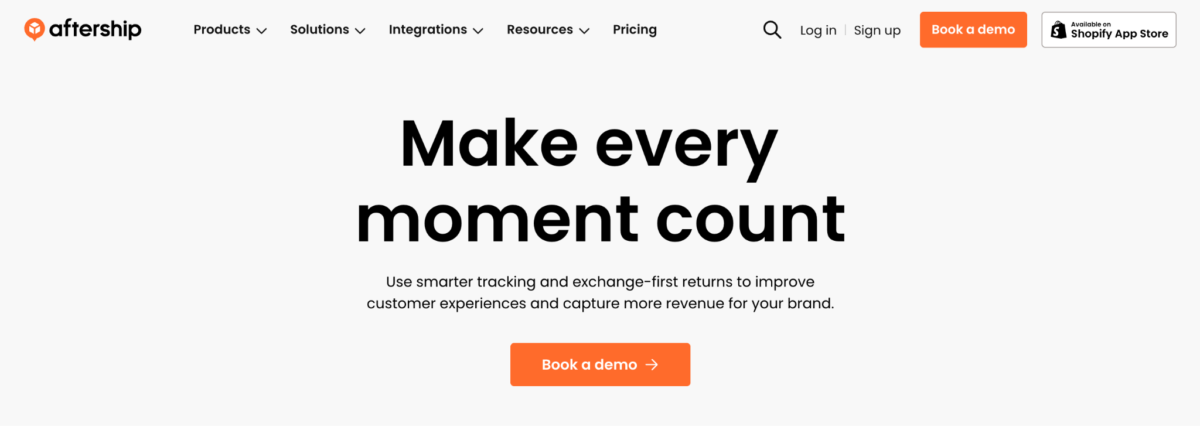
AfterShip has become one of the most recognizable names in the order tracking category, largely because it offers a relatively straightforward way to improve shipment visibility across multiple carriers. For many e-commerce businesses, the appeal lies in simplicity.
Retailers can centralize tracking information, provide customers with better shipment visibility, and replace generic carrier experiences without requiring extensive implementation efforts.
That combination has helped AfterShip become a common choice among growing e-commerce brands that want better tracking capabilities without significantly changing existing workflows. Features frequently highlighted by users include:
- Multi-carrier tracking
- Branded tracking experiences
- Shipment notifications
- E-commerce platform integrations
- Delivery visibility tools
- Global carrier coverage
The platform often serves as an entry point for retailers beginning to invest more seriously in their post-purchase experience.
2. WISMOlabs
One challenge many retailers face is that shipment visibility and customer confidence are not always the same thing.
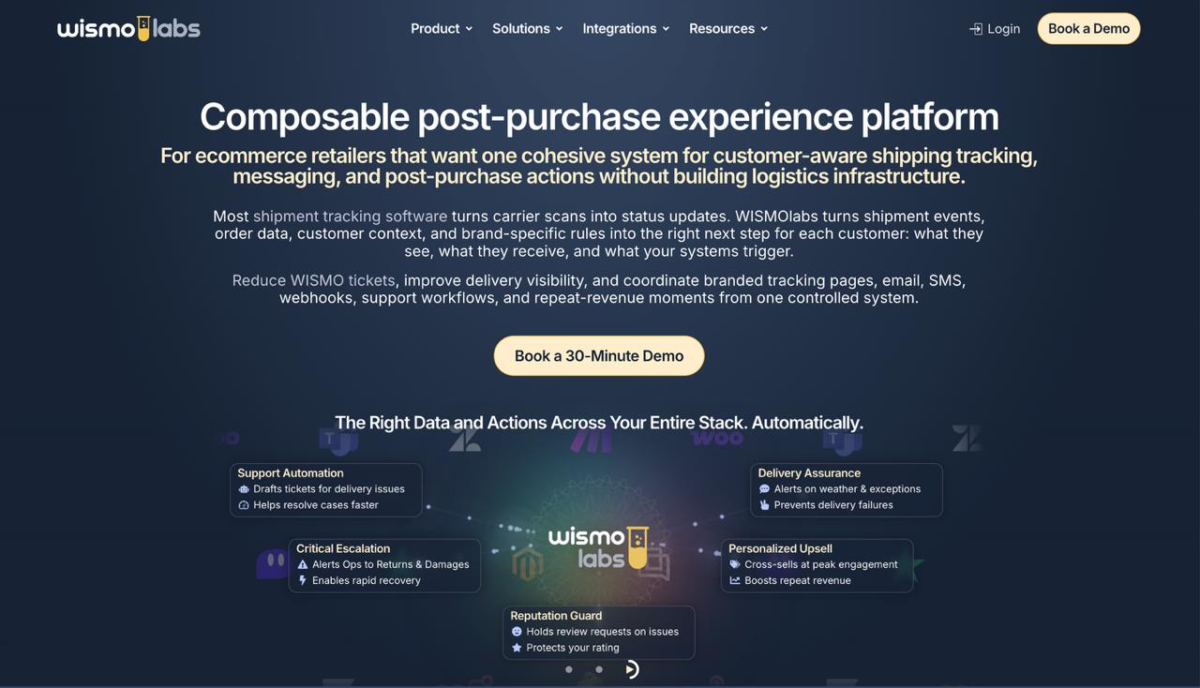
A customer may have access to tracking information and still feel uncertain about what’s happening with an order. Support teams experience this disconnect every day. Tracking pages exist, delivery updates have been sent, and yet customers continue asking for clarification. WISMOlabs was built around that reality and around the part of the post-purchase journey where customers need the most reassurance: the period between checkout, shipment, delivery, and any follow-up actions.
The platform combines order tracking with proactive communication designed to keep customers informed throughout the delivery process. Rather than functioning as a simple tracking page or generic post-purchase platform, WISMOlabs acts as a contextual customer communication layer. Retailers can provide updates based on shipment activity, delays, delivery exceptions, order context, and customer context. Real-time carrier synchronization, exception handling, branded tracking, and proactive notifications work together inside of customer context to reduce WISMO tickets and give retailers more control over the delivery journey.
For support teams, this
reduces repetitive WISMO inquiries. For customers, it creates a clearer picture of what is happening after checkout. The platform also supports a large carrier network and includes tools that extend beyond basic shipment visibility.
By combining multi-carrier logistics data with broader customer and order context, WISMOlabs creates a more intelligent post-purchase experience. It normalizes logistics events across carriers and uses order details, customer history, shipment behavior, and optional third-party data to trigger the right customer communication at the right moment.
Capabilities often associated with WISMOlabs include:
- Multi-carrier shipment tracking
- Branded tracking pages
- Intelligent shipment notifications
- Delivery exception communication
- Self-service order lookup
- Customer engagement reporting
- Carrier analytics
- Support for 750+ carriers
Many retailers adopt WISMOlabs when tracking information alone is no longer enough to answer customer questions. By bringing together logistics data, order information, customer context, and communication workflows, the platform helps keep customers informed, reduce WISMO inquiries, and maintain greater control over the post-purchase experience.
3. Narvar
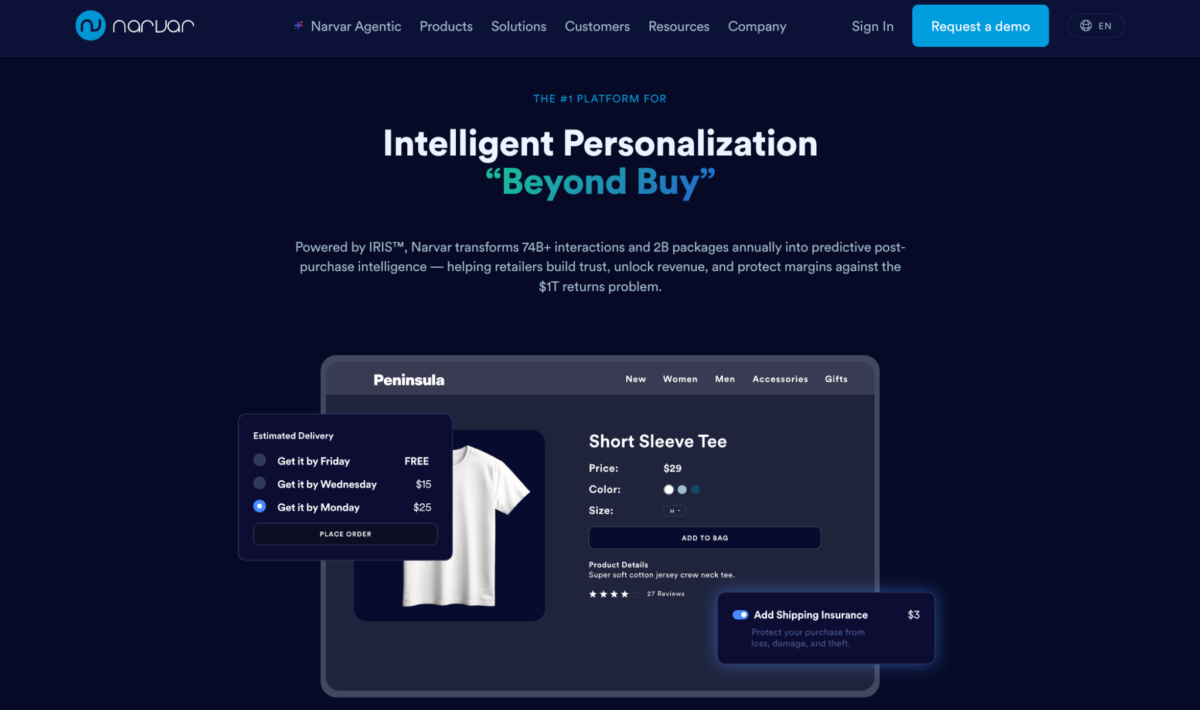
Narvar occupies a slightly different position within the market. The platform is frequently associated with larger retailers that require visibility across complex fulfillment operations, customer communication channels, and post-purchase workflows.
Order tracking remains a central component of the platform, but it is typically viewed as part of a broader ecosystem that includes returns management and customer engagement.
For retailers operating at scale, that broader perspective can be valuable because tracking information rarely exists in isolation. Delivery updates, customer service, returns, and fulfillment performance are often connected.
Commonly discussed capabilities include:
- Order tracking and visibility
- Customer communication tools
- Returns management
- Multi-channel notifications
- Enterprise integrations
- Post-purchase experience workflows
Many enterprise retailers view tracking as one piece of a larger operational picture, which helps explain Narvar’s continued popularity.
4. parcelLab
parcelLab approaches tracking from a customer experience perspective. The platform recognizes that shipment updates are among the most frequently viewed messages customers receive after making a purchase.
Rather than treating those updates as purely operational notifications, parcelLab encourages retailers to use them as opportunities to improve engagement and communication. That philosophy shapes much of the platform’s functionality.
Retailers can personalize communication around delivery milestones, shipment events, and customer behavior while maintaining visibility into the delivery process.
The result is a tracking experience that feels more connected to the broader customer journey. Capabilities often associated with parcelLab include:
- Personalized delivery journeys
- Delivery milestone communication
- Customer engagement workflows
- Branded post-purchase experiences
- Shipment visibility
- Post-purchase analytics
For brands that place significant emphasis on customer experience, parcelLab often becomes part of a larger retention strategy.
5. Wonderment
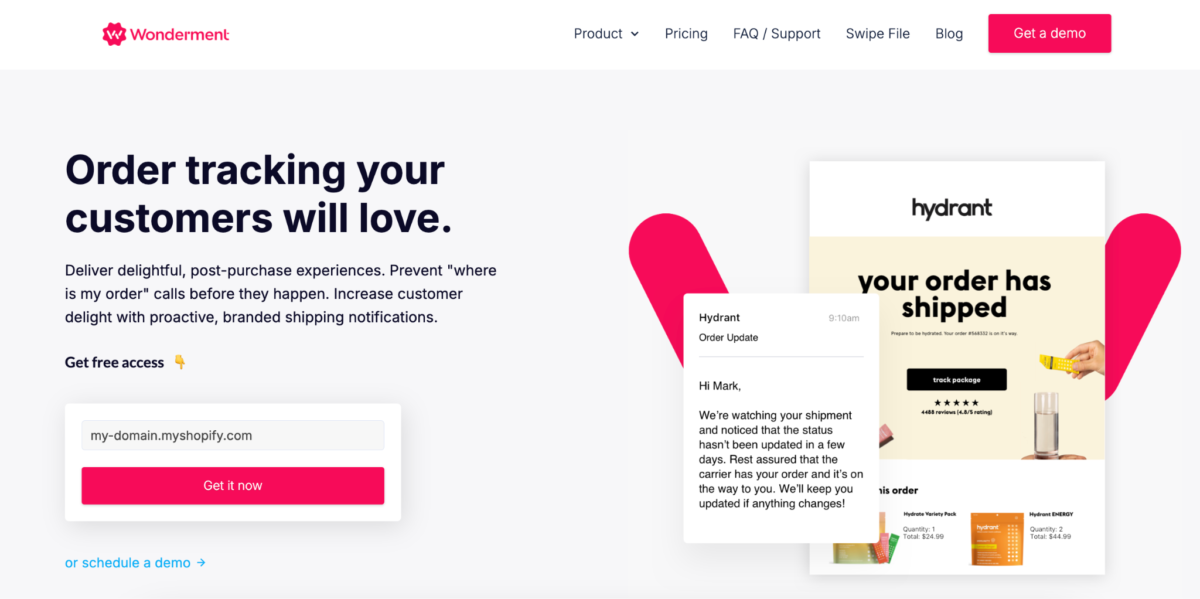
Wonderment has gained considerable traction among direct-to-consumer brands and Shopify merchants. Part of that popularity stems from the platform’s focus on clarity.
Customers generally want answers to a relatively simple set of questions. Where is my order? Has anything changed? When should I expect delivery? Wonderment focuses on helping retailers answer those questions as clearly as possible.
The platform combines order visibility with customer-friendly tracking experiences designed to reduce confusion and create a smoother post-purchase journey.
For many e-commerce businesses, that straightforward approach is exactly what makes the platform appealing. Features commonly associated with Wonderment include:
- Real-time order visibility
- Customer-friendly tracking experiences
- Delivery notifications
- Shopify integrations
- Post-purchase communication
- Support ticket reduction
Sometimes, the most effective tracking experience is simply the one customers can understand immediately.
6. Parcel Perform
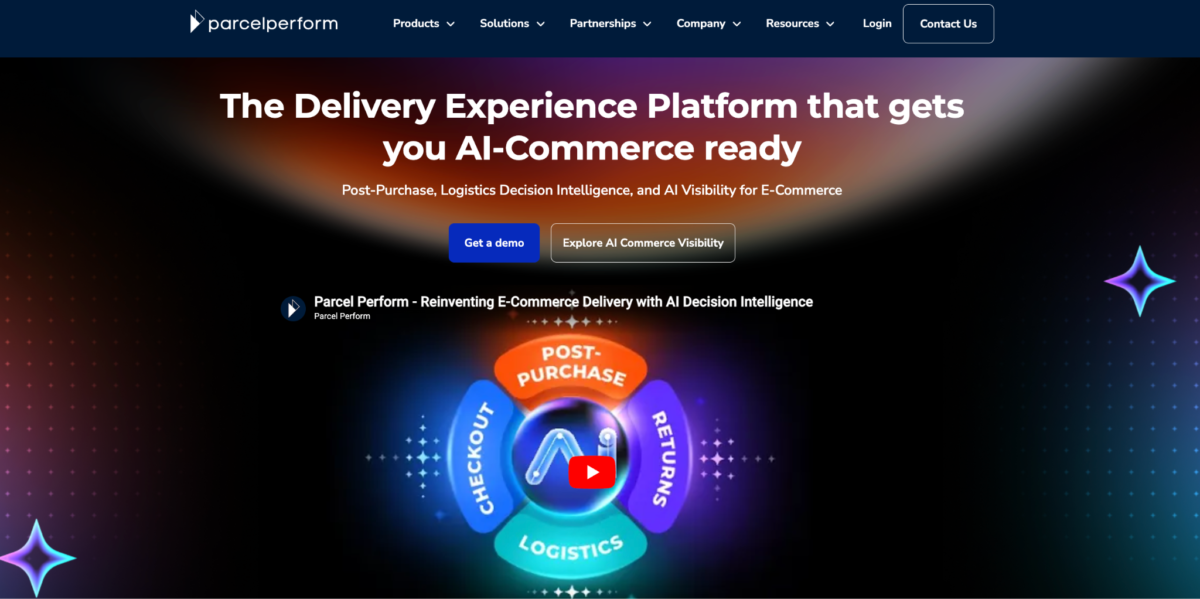
Parcel Perform is frequently discussed in conversations about operational visibility and logistics performance.
While customer-facing tracking remains an important part of the platform, much of its value comes from helping retailers understand how shipments move through their broader carrier network.
As businesses grow, questions about carrier performance become increasingly important. Retailers want to know which carriers are performing well, where delays occur most frequently, and how delivery trends evolve over time.
Parcel Perform provides visibility into those areas while maintaining customer-facing tracking capabilities. Capabilities often highlighted include:
- Multi-carrier tracking
- Global shipment visibility
- Delivery analytics
- Carrier performance reporting
- Operational reporting
- Logistics insights
For retailers shipping large volumes of orders, understanding the network behind the delivery experience can be just as important as tracking individual shipments.
7. Malomo
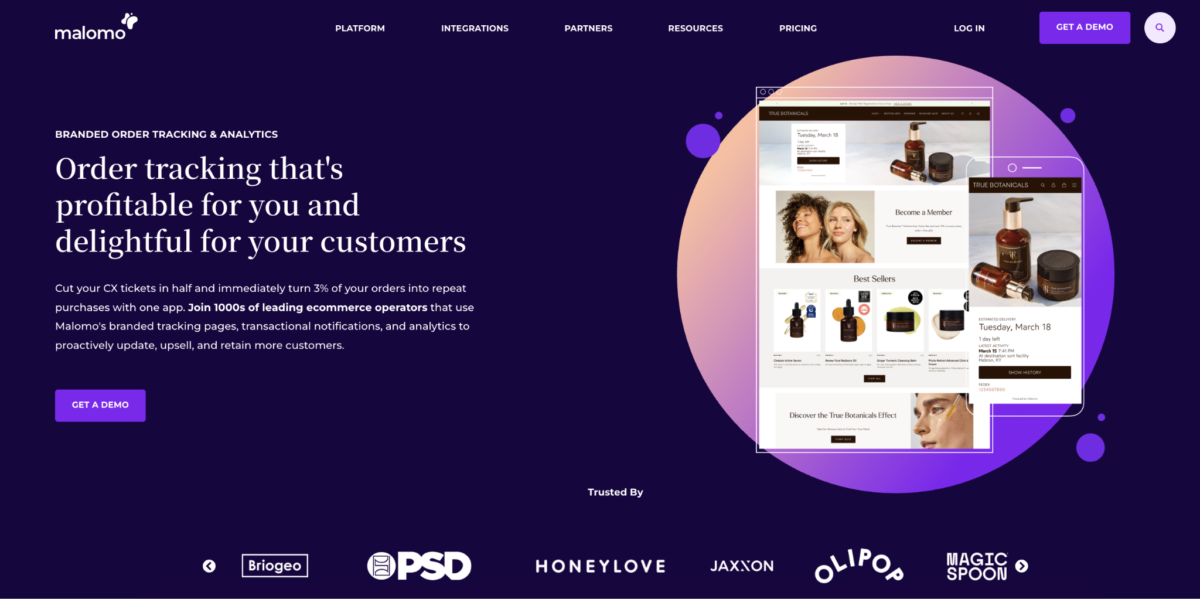
Malomo approaches tracking from a different angle than many traditional tracking platforms. The company focuses heavily on the customer-facing side of the experience, particularly the role tracking pages play in ongoing customer engagement.
Customers often revisit tracking pages multiple times before delivery. Malomo encourages retailers to view those visits as opportunities to reinforce branding and maintain customer relationships rather than simply display shipment status.
This perspective has made the platform particularly popular among direct-to-consumer brands. Retailers often highlight:
- Branded tracking pages
- Customer engagement tools
- Post-purchase communication
- Product recommendations
- E-commerce integrations
- Retention-focused experiences
The platform’s appeal often comes from what happens around the tracking information rather than the tracking information itself.
8. Track123
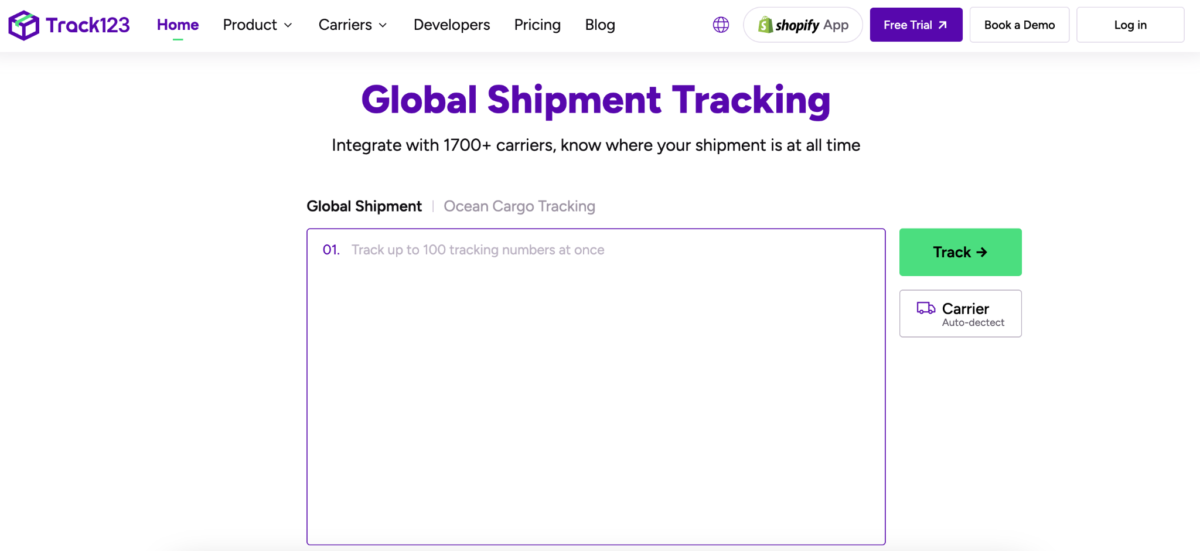
Track123 has become a popular option among e-commerce businesses looking for accessible tracking functionality without extensive complexity.
The platform provides shipment visibility across multiple carriers while maintaining a customer-facing experience that retailers can customize to fit their brand.
For growing businesses, that balance between functionality and ease of implementation can be particularly attractive. Retailers commonly point to:
- Shipment visibility tools
- Branded tracking pages
- Delivery notifications
- Customer tracking portals
- E-commerce integrations
- Multi-carrier support
For many merchants, Track123 represents a practical way to improve shipment tracking without introducing unnecessary operational overhead.
What Retailers Actually Want From Order Tracking Software
It’s easy to assume that order tracking software exists primarily to tell customers where a package is.
That certainly remains an important function, but most retailers eventually discover that tracking solves several other problems at the same time.
Better tracking can reduce support volume because customers have fewer unanswered questions.
It can improve customer satisfaction by making delivery expectations clearer. It can provide operations teams with visibility into carrier performance and shipment issues. It can even create opportunities for stronger customer engagement after checkout.
The most successful implementations tend to address several of these goals simultaneously rather than focusing on shipment visibility alone.
Tracking Becomes More Important as Retailers Grow
Running a small e-commerce shop with just a few orders a day? You can usually handle tracking issues by hand without much trouble. But once your volume starts growing, things change quickly.
Support teams suddenly find themselves fielding more delivery questions, while operations staff scramble to keep tabs on shipments across different carriers. Meanwhile, customers have come to expect real-time updates without needing to chase them down.
That’s where order tracking software really starts to shine. The right platform automates those customer messages, pulls everything into one clear view, and gives you insights that would normally take hours of manual work. No wonder it’s moved from being a nice extra to an essential part of how modern e-commerce actually runs.
The Period Between Checkout and Delivery
Retailers often focus heavily on acquiring customers and converting orders. The period that follows receives less attention, even though it can have a significant influence on how customers remember the experience.
Waiting for a delivery creates uncertainty. Customers want updates, reassurance, and visibility into what is happening with their order. Order tracking software exists to reduce that uncertainty.
The platforms on this list approach the challenge differently, but they all share the same objective: helping retailers create a more transparent and predictable experience after checkout.
For customers, that means fewer unanswered questions. For retailers, it often means fewer support tickets, better operational visibility, and a stronger post-purchase experience overall.